
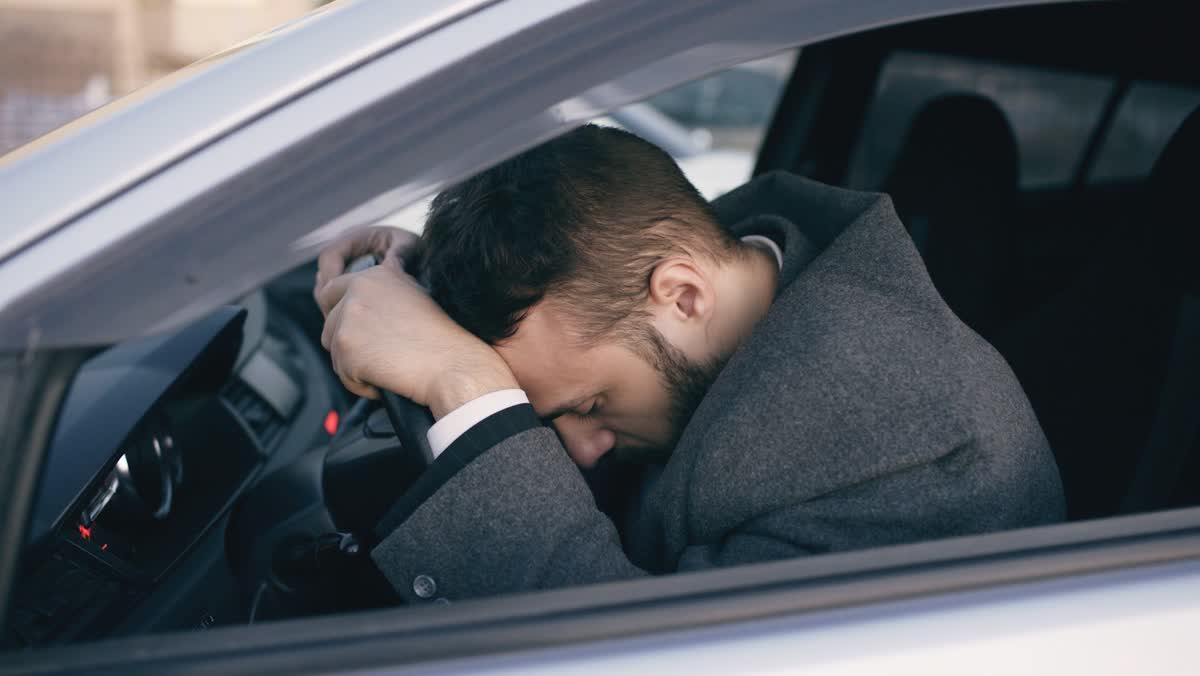
The car is fixed, or at least towed somewhere. Monday is coming, and your neck still pulls when you check your blind spot. Getting back to work after a car accident isn't one decision. It's a string of small ones: the drive, the first day, the lifting, the sitting.
A quick note first. We're a chiropractic office, not your employer or your claims adjuster, and we can't clear you to work or tell you what your company owes you. That conversation belongs to you, your medical providers and your employer. What we can do is help you think through the questions.
The first drive
Plenty of people feel jumpy the first time they're behind the wheel again. Some are fine on the street but tense up merging onto I-205. That's common and worth taking seriously.
A few things to ask yourself before you go:
- Can you turn your head far enough to check a blind spot without pain or a sharp catch?
- Do your hands and feet feel normal, with no numbness or tingling?
- Are you foggy, dizzy or unusually tired? If you hit your head, read our guide to concussion red flags first.
- Are you taking anything that makes you drowsy?
If the answer to any of those is "not really," that's a reason to talk to your provider before driving, not a reason to push through. A passenger seat or a short test drive around the block is a sensible start.
Your job decides the questions
Someone who sits at a desk in downtown Portland has different concerns from someone who lifts boxes, drives a delivery route, or stands for eight hours. Before you go back, it may help to write down:
- What your day asks of your body: sitting, lifting, reaching, driving, standing
- What bothers you right now, and what makes it worse
- Whether any of your tasks might need to change for a while
Bring that list to your doctor and to your employer. Whether a lighter schedule or different duties is possible is between you and them, and we can't speak for either side.
The commute is its own workday
If you drive from Oregon City into Portland every morning, you're looking at an hour or more of sitting, checking mirrors and braking in traffic. That can be a lot for a neck that's still irritated. Some people find that a shorter first week, a ride with a coworker or a change in schedule makes it more manageable. Whether any of that is possible depends on your employer, so ask early rather than after a rough Tuesday. Give your care team an honest report of how the drive went, too. Pain that grows as the trip goes on is useful information.
Pushing too early
People who go back full speed on day three sometimes end up with a flare, particularly in the low back and neck. Our posts on low-back pain after a car accident and muscle spasms after a crash explain why pain can ramp up when you ask too much of healing tissue.
Stop and get checked if
Whatever your schedule says, go to the ER or call 911 for any of these:
- A severe headache, or one that is getting worse
- Confusion, or trouble with speech or vision
- Numbness or weakness in an arm or leg
- Chest or abdominal pain, particularly after a seat belt or airbag hit
- Loss of bladder control
Where care fits in
If your neck or back are still sore, an exam can show what's going on and what's reasonable to try. Our overview of chiropractic care after a car accident walks through how that usually unfolds. Depending on what we find, care may include spinal adjustments, spinal decompression or traction for pressure on joints and discs, and rehab exercises to rebuild strength, which we describe in rehab exercises after a car accident. Results vary, and we'll tell you what we see.
If you're in Oregon City, Milwaukie or anywhere nearby and aren't sure you're ready, our new patient page shows what a first visit looks like, and you can read about our auto injury care before you call.
Not sure you are ready to go back?
Start with an exam so you know what your neck and back are telling you.