
What spinal decompression is
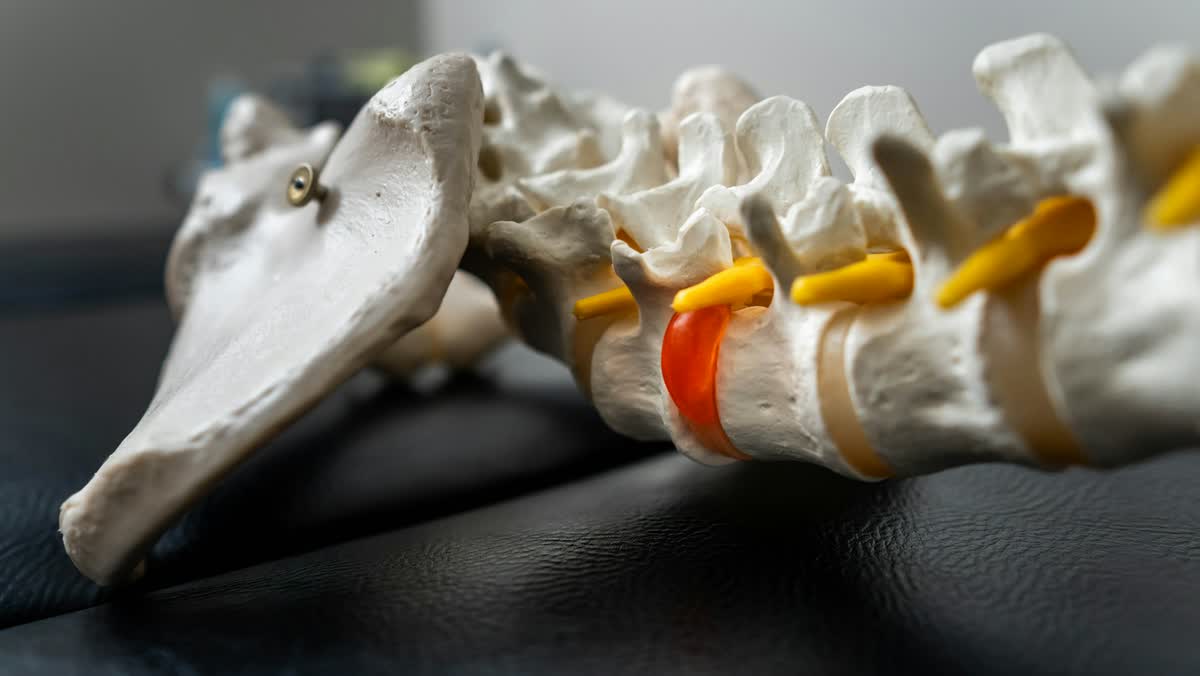
Spinal decompression is a slow, controlled stretch of the spine. The goal is to create a little more space between the vertebrae, easing pressure on the discs that cushion them and on the nerves nearby. When a disc is bulging or herniated and pressing on a nerve, taking some of that pressure off may ease the pain that comes with it.
It’s non-surgical and doesn’t involve medication. For many people it’s worth exploring before — or alongside a conversation with their physician about — more invasive options.
What it’s commonly used for
- Herniated or bulging discs
- Sciatica — pain, numbness, or tingling that runs from the low back into the leg
- Chronic lower-back pain, especially when it’s disc-related
- Back pain that hasn’t settled with rest and time
What a visit feels like
After your exam, you’re positioned comfortably on the treatment table and the stretch is applied gradually. Most people describe it as a gentle pulling sensation rather than pain, and many simply rest during the session. We check in with you throughout, and the stretch can be eased or stopped at any time.
Some patients feel relief fairly quickly; for others, change is gradual. Dr. Fred will give you an honest estimate after your exam rather than a one-size-fits-all number of visits.
Who it may not be right for
Decompression isn’t a fit for every back. It may not be appropriate during pregnancy, after recent spinal surgery or with spinal hardware, with a recent fracture or significant osteoporosis, or with certain other medical conditions. We screen for these in the exam, and if decompression isn’t right for you, we’ll tell you and suggest what may be — including a referral to your physician when that’s the better path.
How it fits with other therapies
Decompression and traction are closely related — both aim to relieve pressure on discs — and we’ll recommend whichever suits your case. Decompression is often paired with:
Back or leg pain since a crash? The forces in a collision can aggravate the discs in your lower back, and symptoms sometimes appear days later. Learn how auto injury care and Oregon PIP work — we bill PIP directly. Your policy governs the details, so check with your agent or insurer. This isn’t legal advice.